Table of contents
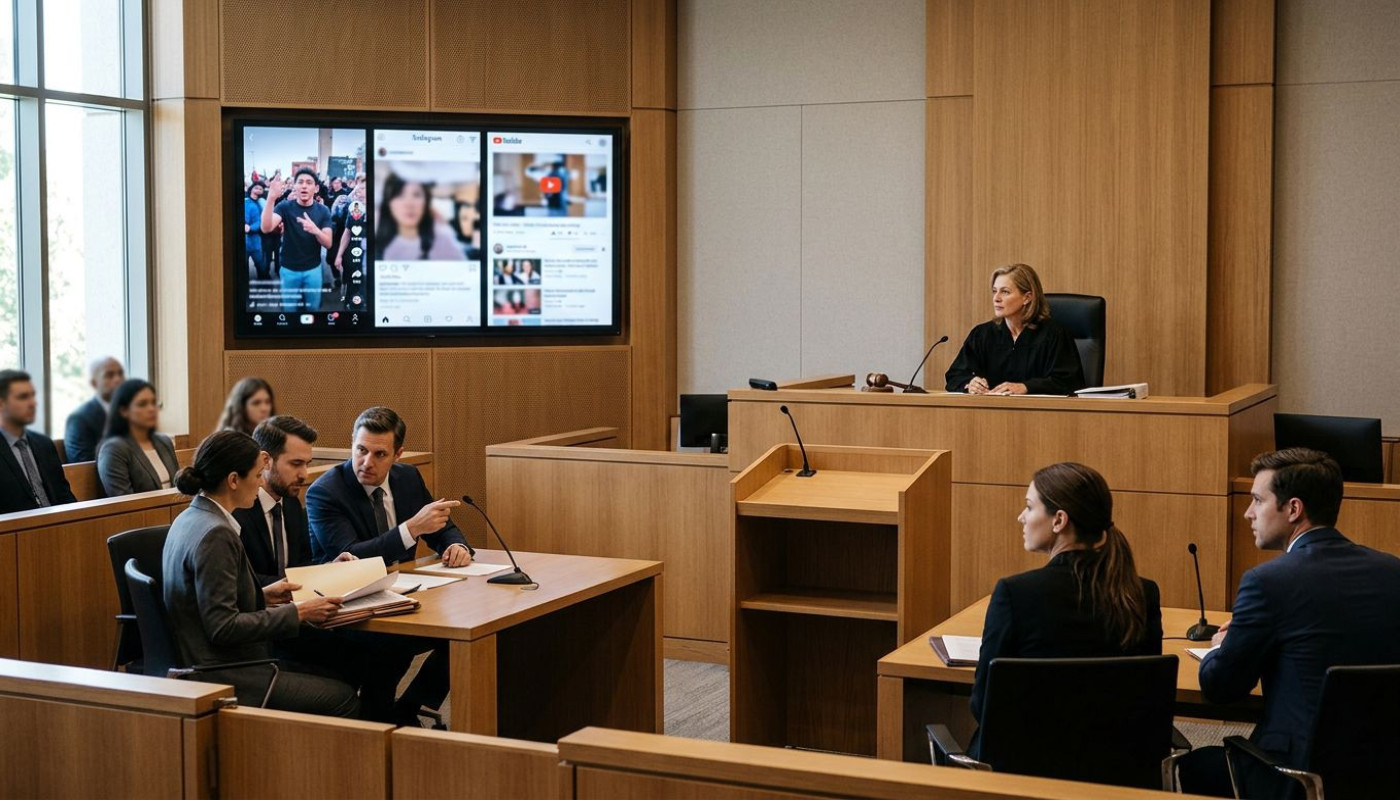
Jurors scroll, commentators speculate and clips circulate faster than court orders can keep up, and that speed is reshaping what happens inside real courtrooms. From the United States to Australia, legal teams now prepare for two audiences at once, the judge and jury in the room and the public watching through viral fragments online. The result is a new kind of pressure on witnesses, victims and defendants, and a growing premium on discipline, timing and narrative control when a case becomes a trend.
When a case trends, the jury notices
Think jurors are insulated from the internet? Courts try, but the modern media environment keeps pushing in. In Australia, judges routinely warn juries against outside research and exposure to coverage, and yet the practical risk remains, because smartphones sit in every pocket and algorithmic feeds are designed to serve what is popular, not what is admissible. Once a matter goes viral, even a juror who follows the rules can be indirectly influenced by family, workplace chatter or a headline glimpsed in passing, and that matters, because perceptions harden quickly when the public has already “decided” what a clip appears to show.
The legal system has long recognised this danger. Australian courts can order suppression or non-publication in defined circumstances, but those tools are blunt against content uploaded offshore, reposted by thousands and reframed by accounts chasing engagement. Research on juror misconduct in the digital age, including work frequently cited in common law jurisdictions, has consistently warned that online material can contaminate deliberations, and appellate courts have repeatedly treated juror exposure to external information as a serious issue, because it threatens the right to a fair trial. For practitioners, that risk changes preparation: voir dire is limited in Australia compared with the US, so the emphasis shifts to clear judicial directions, tightly controlled evidence presentation and anticipating misconceptions that viral commentary may seed before the first witness is even called.
Lawyers now plan for “clip culture”
A single out-of-context moment can define weeks of evidence, and it is rarely the most legally important moment. Viral media rewards shock, emotion and simplicity, while trials run on nuance, standards of proof and procedural fairness. That mismatch means courtroom strategy increasingly includes “defensive communication”, a disciplined approach to what will be heard, how it may be interpreted when excerpted and what guardrails can be built through objections, admissibility arguments and careful sequencing of witnesses.
It also shifts how legal teams advise clients before testimony. In high-attention matters, a defendant’s demeanour is no longer assessed only by the people in the courtroom; it may be dissected by millions, frame by frame, with confident but uninformed narration. That dynamic can encourage performative behaviour, which is dangerous, because credibility in court is earned through consistency, restraint and clarity, not through what plays well online. Practitioners increasingly stress preparation that is practical rather than theatrical: answering the question asked, not volunteering extra material, pausing before responding and avoiding reactive exchanges that can be clipped into a misleading “gotcha” moment.
Even for lawyers, the risk is real. A sharp line of cross-examination may look like bullying in a 12-second excerpt, and a legitimate submission can be portrayed as a “technicality” rather than a safeguard of rights. That is why many teams now coordinate closely on what can be said publicly, who says it and when. In Australia, professional conduct rules and sub judice principles constrain commentary that could prejudice proceedings, and breaching those boundaries can create both ethical problems and strategic harm. The challenge, then, is not to “win the internet”, but to prevent the internet from distorting the conditions for a fair hearing.
Courts push back, but limits show
Courts are not passive in the face of viral attention, and judges have a growing toolkit, from jury directions and contempt powers to suppression orders and closed-court arrangements in specific circumstances. Yet each tool has trade-offs, because transparency is a democratic value and the open justice principle remains central in Australian law. When a judge restricts publication, the decision must usually be justified by a clear risk, and even then, an order cannot unring the bell of material already shared widely.
The practical limits are also technological. Platforms amplify content that triggers strong reactions, and legal content is particularly susceptible, because it combines high stakes with moral storytelling. The most shared posts often present a case as a simple battle between good and evil, while the courtroom must test evidence methodically, including uncomfortable facts on all sides. That gap can generate anger toward outcomes that are legally correct but emotionally unpopular, and that anger can spill into threats toward participants, including witnesses, lawyers and judicial officers.
In response, security planning and witness management have become more prominent in high-profile cases. Courts may consider measures to protect vulnerable witnesses, and legal teams may adjust how they present sensitive evidence to reduce unnecessary exposure while still meeting forensic obligations. Public relations is not the goal, and it cannot override legal duties; however, in a viral environment, anticipating harassment risks and planning for client wellbeing is increasingly part of competent representation. For those seeking guidance in navigating these pressures within the Australian system, consulting a criminal lawyer in Australia can help clarify what is permissible to say publicly, what must remain before the court and how to protect fair-trial rights when online attention spikes.
From hashtags to hearings, the stakes rise
Viral media does not just report on justice; it can shape the conditions under which justice is done. That influence shows up in the pressure on complainants and defendants, the confidence of witnesses, the tone of public debate and the expectations jurors bring with them, even when they try to be impartial. It also shows up in the way legal teams manage time, because once misinformation spreads, correcting it is slow and rarely reaches the same audience that saw the original claim.
There is also a broader, quieter effect: trust. If the public experiences trials through clipped moments, they may misunderstand why certain evidence is excluded, why proceedings pause for legal argument or why a judge gives specific directions. Those mechanisms are not loopholes; they are the architecture of fairness. When viral narratives label them as tricks, it becomes harder for institutions to maintain legitimacy, and it becomes harder for communities to accept verdicts that do not match the most popular storyline online.
None of this means courts should chase virality, and it does not mean lawyers should litigate on social media. It means the system is operating inside a new information ecology, one where attention is monetised and outrage is incentivised. For courtroom strategy, the lesson is practical: build cases that are robust to distortion. Use clear themes grounded in admissible evidence, keep witness examinations tight and comprehensible and anticipate how ordinary viewers might misread technical points. The best protection against clip culture is not performance; it is precision, because precision travels further when the facts are finally tested.
Booking advice when attention turns intense
When a case attracts online scrutiny, act early and budget for extra work, including evidence review, witness preparation and strict compliance with publication limits. Ask in advance about legal aid eligibility and expected disbursements, because high-profile matters can escalate quickly. Secure advice before posting anything, and book consultations promptly to stabilise strategy.
Similar articles

Why Livechat Is Redefining The Face Of Modern Webdesign

Unmasking the Future of AI in B2B Interaction
